Hover Mobility
Engineering an e-bike rental platform, from concept to acqui-hire
Hover Mobility hero image
Timeline
Role
Tools
Overview
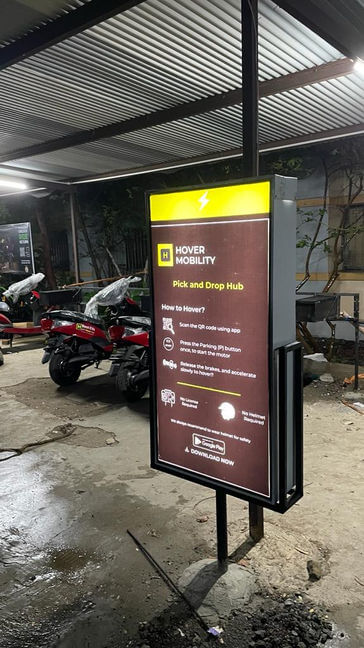
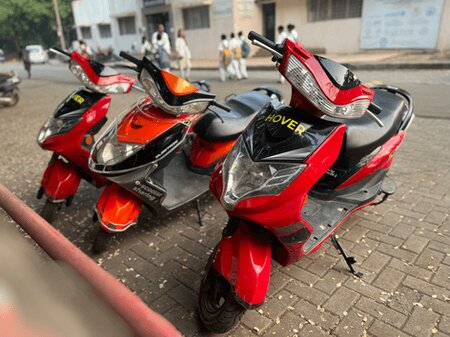
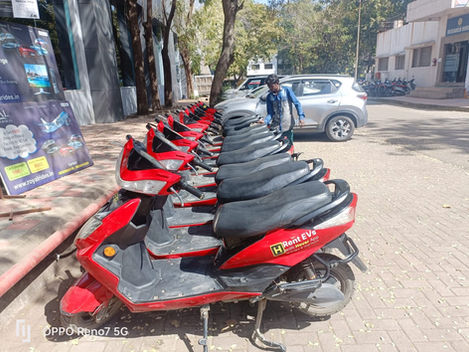
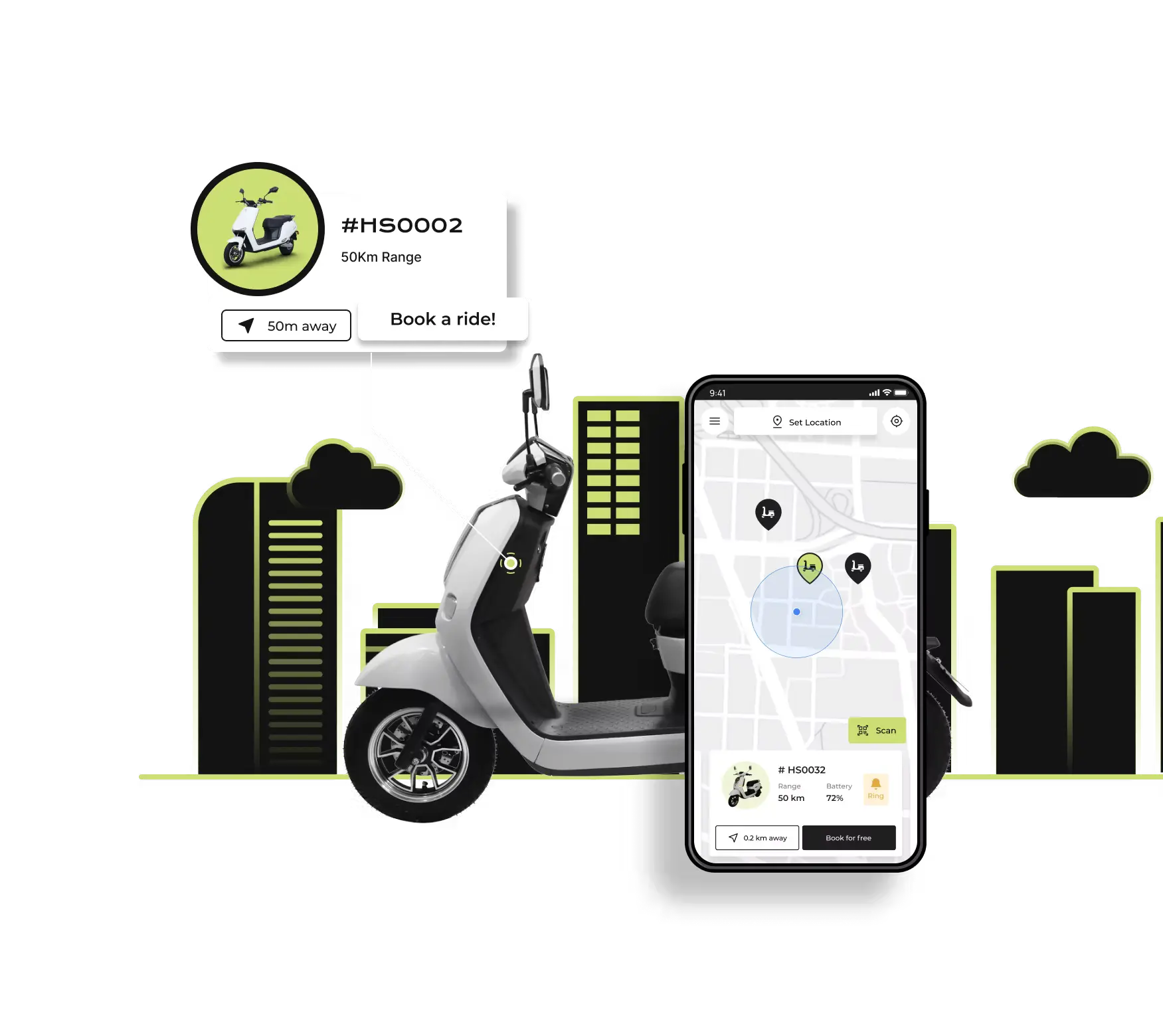
Hover Mobility is a dock-based e-bike rental platform addressing first- and last-mile connectivity on Indian university campuses. My co-founders and I built a mobile-first solution that enables students to easily locate, rent, and ride electric bikes across large, often fragmented campus environments.
As technical co-founder, I led end-to-end engineering across mobile, backend, and IoT systems. I built the core platform using Flutter and Node.js, designed resilient APIs with an offline BLE fallback for low-connectivity scenarios, managed AWS infrastructure for scale, and collaborated with hardware partners to integrate secure IoT devices.
How It Works
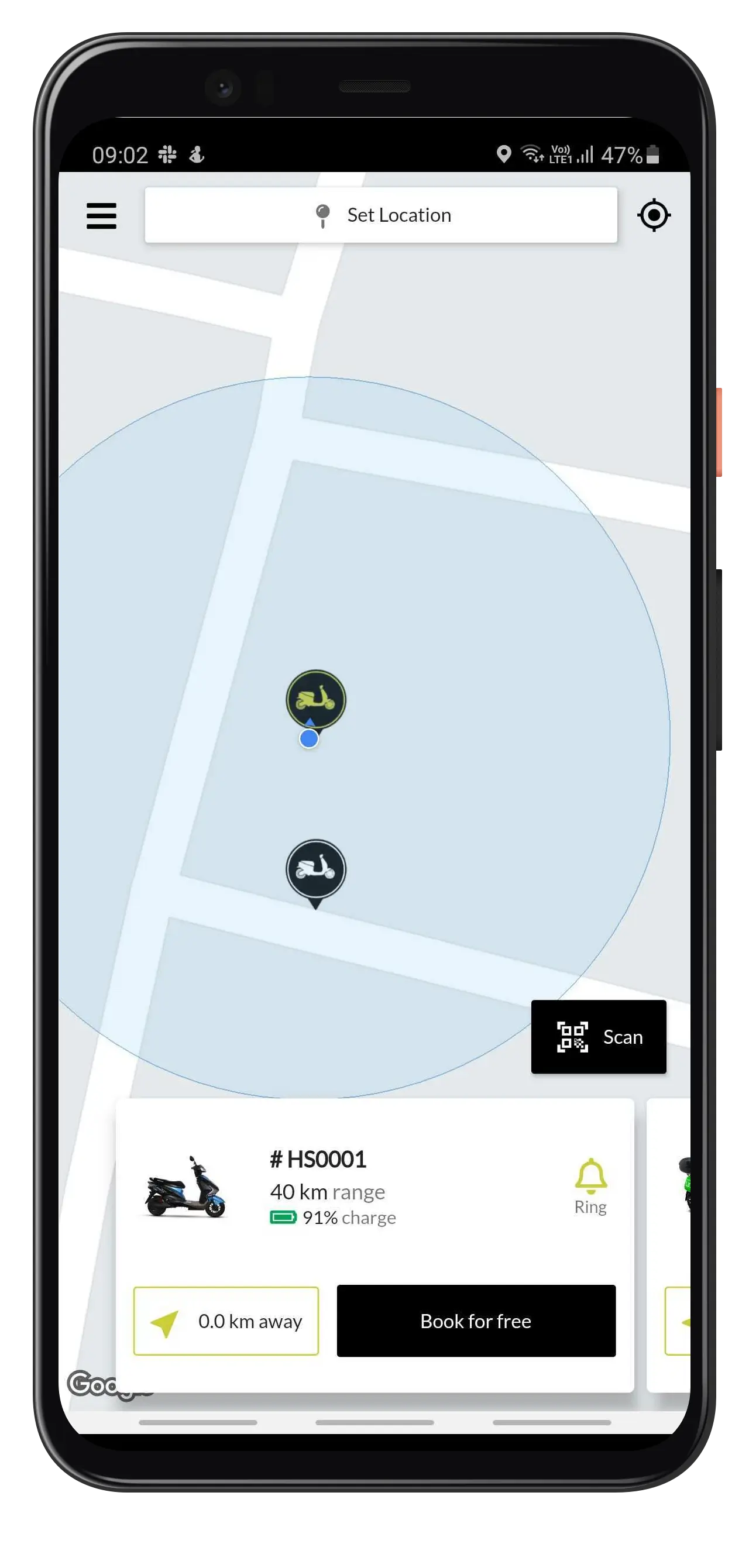
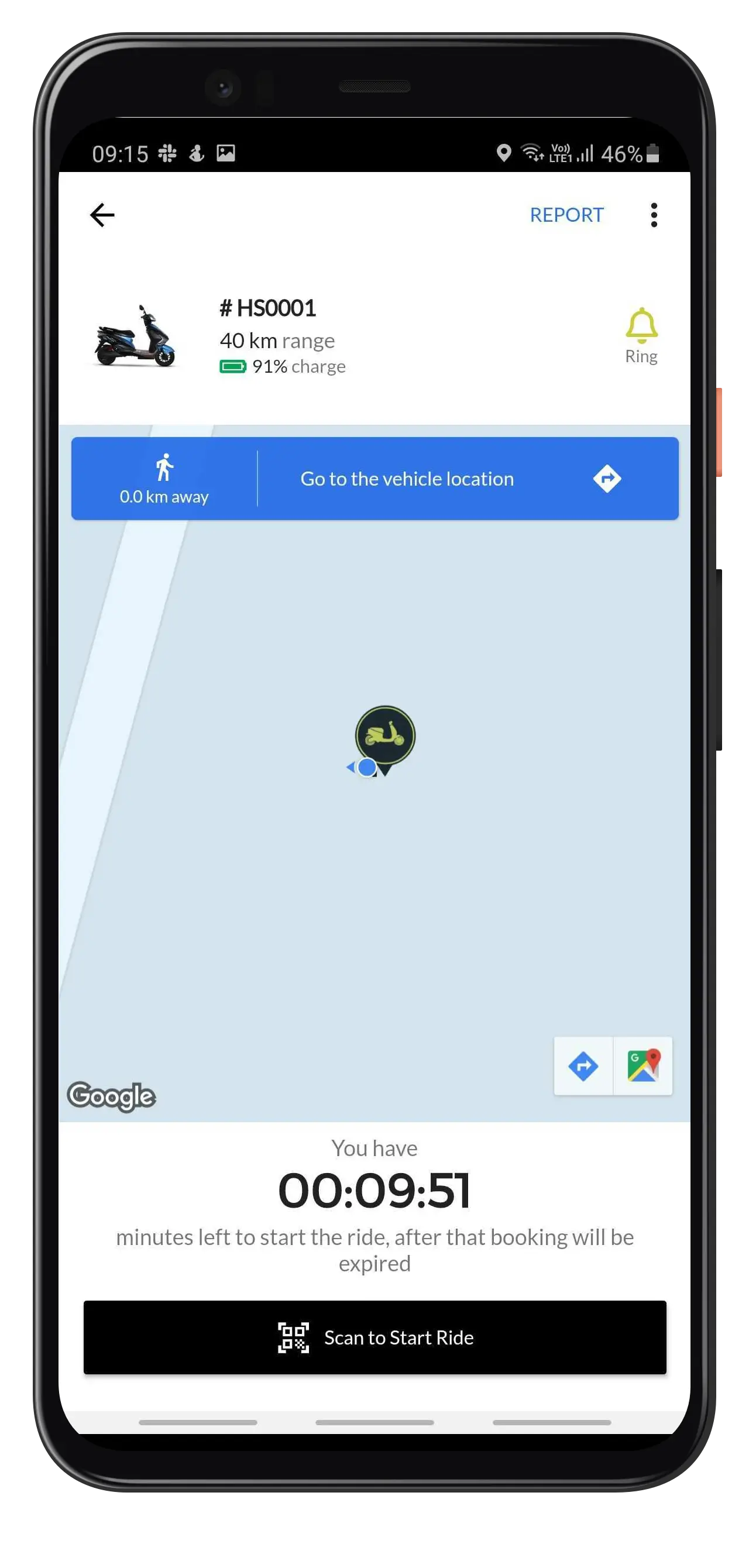
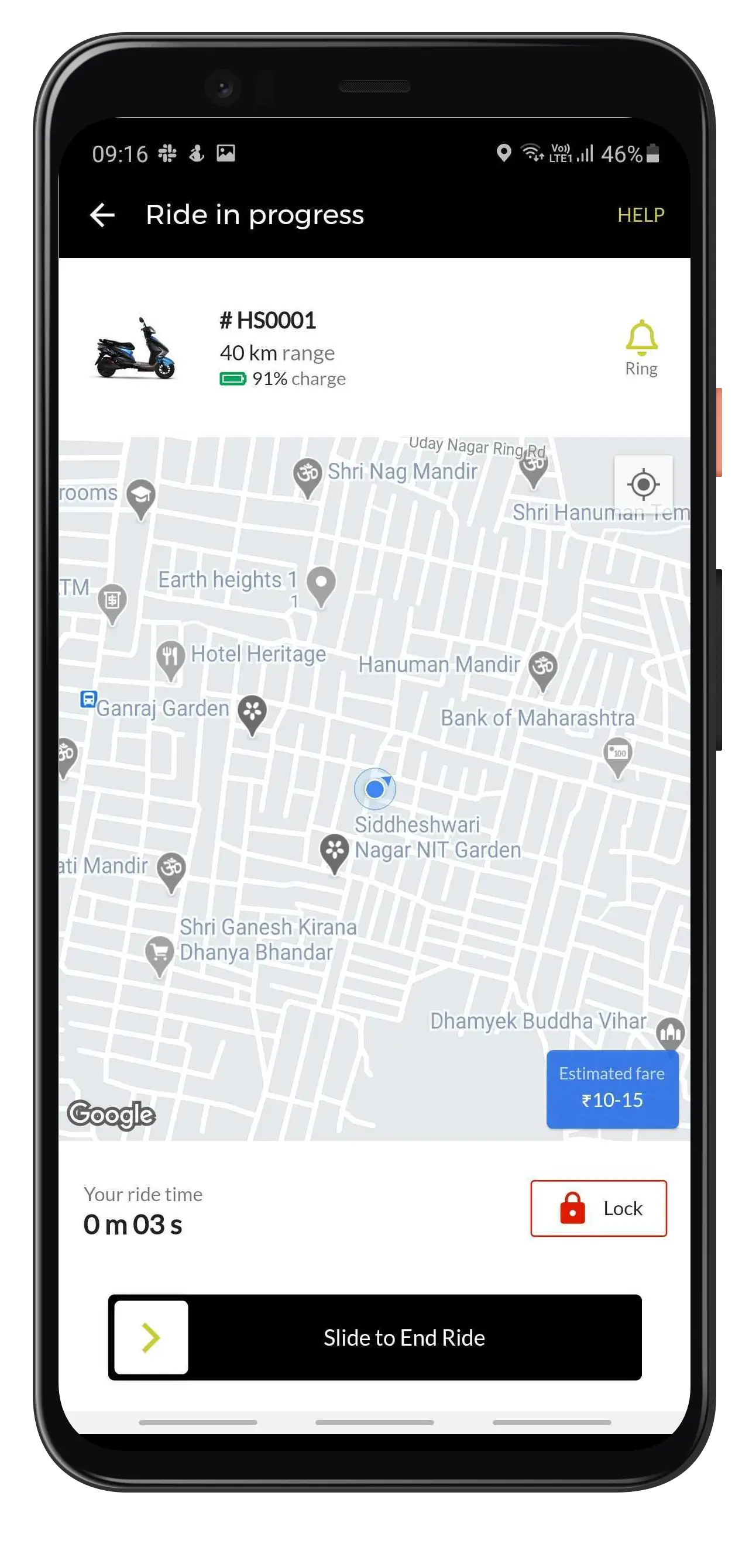
Students use the Hover Mobility app to find nearby bikes, unlock them via QR, ride to their destination, and dock at designated stations to end the trip. Behind the scenes, a Flutter app, Node.js backend, and IoT-enabled bikes work together to deliver a reliable experience, even in low-connectivity environments.
System Architecture
Given a lean team, the architecture prioritised simplicity and fault tolerance. I designed the system around an event-driven architecture, with a Node.js backend as the single source of truth, and emphasised idempotent operations to handle unreliable campus networks.
The diagram below illustrates how the mobile app, backend, and IoT-enabled bikes interact within the system.

Figure: High-level System Architecture
Challenges
Unreliable Connectivity
The biggest challenge was handling lock and unlock operations in areas with poor or no internet connectivity. Traditional cloud-dependent approaches failed frequently, leading to stranded users and unusable bikes.
While REST APIs handled primary communication, I introduced a Bluetooth Low Energy (BLE) fallback mechanism. The app generated short-lived offline tokens when connected, allowing users to securely unlock and lock bikes via BLE even in dead zones. Once connectivity was restored, the app reconciled ride state with the server. The diagram below illustrates this flow.


Figure: Offline BLE Fallback Mechanism
Other Hurdles
- Dynamic Pricing: As the platform scaled across campuses, I decoupled pricing logic from the core application, enabling location-specific configurations.
- Fraud Prevention: To reduce payment abuse, I implemented a security deposit system integrated with Razorpay, limiting ride duration based on deposit value.
- UX Design: Without a dedicated designer, I iteratively refined UI flows by studying industry patterns and introduced onboarding tutorials to reduce user friction. In hindsight, investing earlier in structured UX research and design systems would have significantly improved the overall experience.
Key Insight
Reliability in the real world requires designing for failure.
By introducing an offline BLE fallback and idempotent backend operations, the system remained usable even when network conditions were unreliable—ensuring a consistent user experience across campus environments.
Outcomes & Learnings
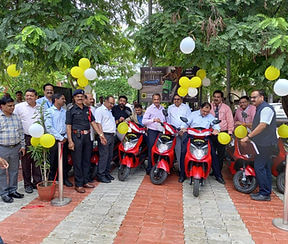
Hover Mobility was deployed across two university campuses, validating the system under real-world hardware and network constraints. The platform supported consistent day-to-day usage in environments with unreliable connectivity.
The project ultimately led to an acqui-hire opportunity for the founding team.